

Introduction
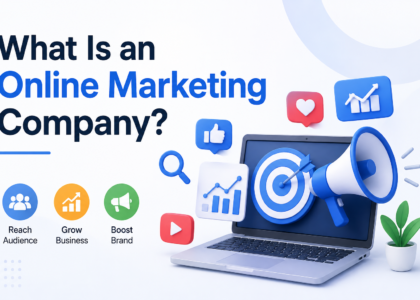
If you are new to online business, you may be wondering, What is Digital Marketing? In today’s digital world, almost everyone uses the internet to search for information, shop online, watch videos, and connect with businesses. This is why digital marketing has become one of the most effective ways to promote products and services.
What is Digital Marketing? Digital marketing is a modern marketing method that uses the internet and digital technologies to connect businesses with their target audience. Unlike traditional marketing, digital marketing allows businesses to communicate directly with customers, track campaign performance, and improve results in real time.
1. What is Digital Marketing?
Digital Marketing is the process of promoting products, services, or brands using the internet and digital technologies.What is Digital Marketing? Digital marketing is a modern marketing method that uses the internet and digital technologies to connect businesses with their target audience. Unlike traditional marketing, digital marketing allows businesses to communicate directly with customers, track campaign performance, and improve results in real time.
Simple Example
Imagine you search for “Best Running Shoes” on Google. The websites and advertisements that appear in the search results are examples of digital marketing.
Similarly, when you see a product advertisement on Facebook, Instagram, or YouTube, that is also digital marketing.
2. The Benefits of Digital Marketing
Digital marketing offers many advantages for businesses of all sizes.
Cost-Effective Marketing
Traditional advertising methods like TV commercials and newspaper ads can be expensive. Digital marketing allows businesses to start promoting their products with a smaller budget.
Reach a Larger Audience
With digital marketing, businesses can reach customers locally, nationally, and even globally.
Target the Right Audience
One of the biggest advantages of digital marketing is audience targeting. Businesses can show advertisements only to people who are likely to be interested in their products or services.
Measurable Results
Digital marketing makes it easy to track results. You can see:
- How many people visited your website
- How many people clicked on your advertisement
- How many customers made a purchase
Better Customer Engagement
Social media platforms allow businesses to communicate directly with their customers, answer questions, and build stronger relationships.
Increased Sales and Growth
A well-planned digital marketing strategy can help increase sales, generate leads, and grow a business more effectively.
3. Types of Digital Marketing
There are several types of digital marketing, and each serves a different purpose.
Search Engine Optimization (SEO)
SEO is the process of improving a website so it ranks higher on search engines like Google.
When a website appears on the first page of search results, it can attract more visitors and potential customers.
Social Media Marketing
Social Media Marketing involves promoting products and services through platforms such as:
- YouTube
- X (Twitter)
Businesses use social media to connect with their audience and build brand awareness.
Content Marketing
Content Marketing focuses on creating valuable content such as:
- Blog posts
- Articles
- Videos
- Infographics
- Guides
High-quality content helps attract and educate potential customers.
Email Marketing
Email Marketing involves sending promotional messages, newsletters, and updates directly to customers through email.
It helps businesses maintain communication and build long-term relationships.
Pay-Per-Click Advertising (PPC)
PPC is a form of paid advertising where businesses pay each time someone clicks on their advertisement.
Examples include:
- Google Ads
- Facebook Ads
- Instagram Ads
Affiliate Marketing
Affiliate Marketing allows individuals or partners to promote a company’s products and earn a commission for each successful sale.
Influencer Marketing
Influencer Marketing involves collaborating with social media influencers to promote products or services to their followers.
4. Is Digital Marketing the Same as Online Marketing?
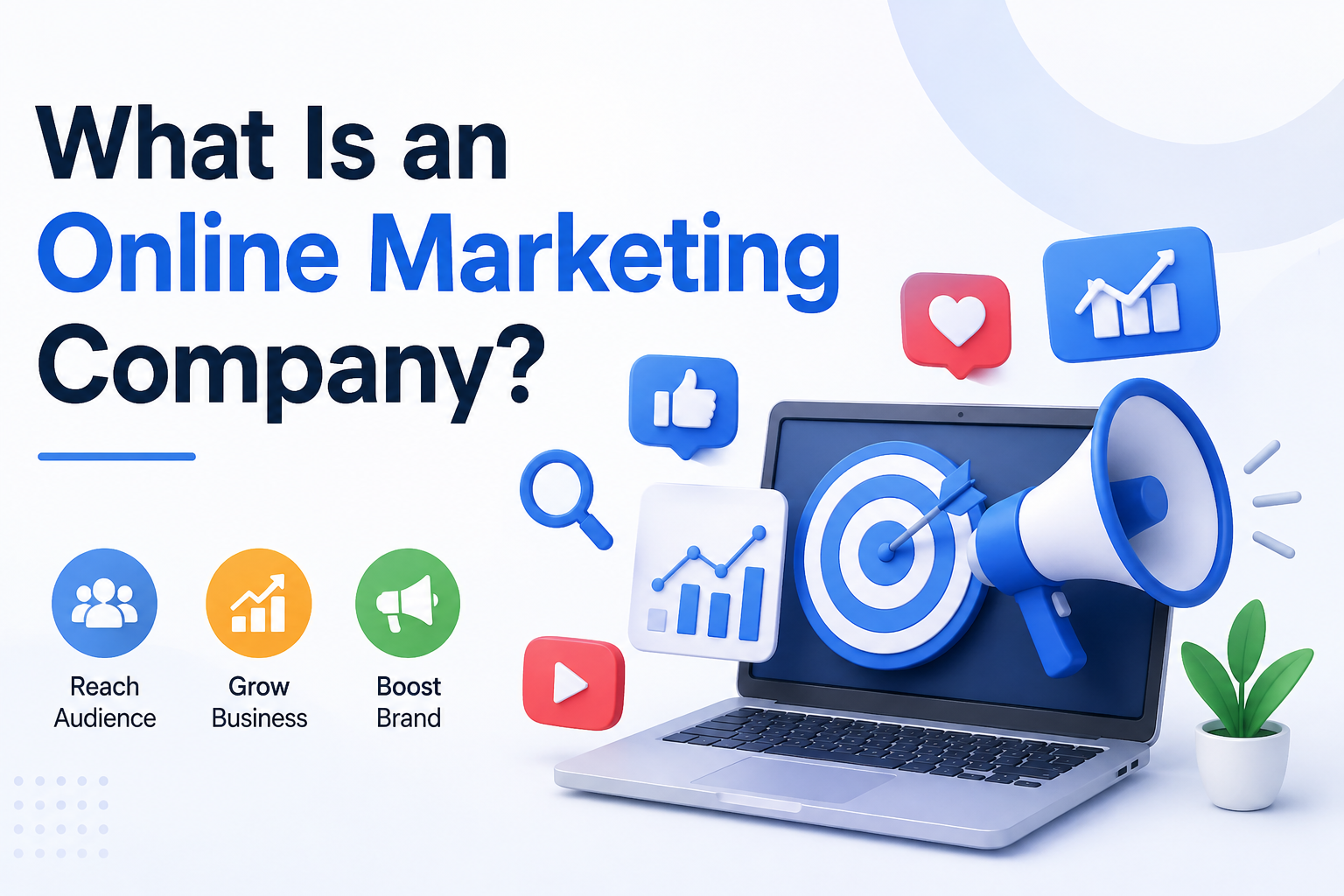
Many people use the terms Digital Marketing and Online Marketing interchangeably, but there is a slight difference.
Online Marketing
Online Marketing refers only to marketing activities that require an internet connection.
Examples include:
- Website marketing
- Social media marketing
- Email marketing
- Search engine marketing
Digital Marketing
Digital Marketing is a broader concept. It includes online marketing as well as digital channels that may not always require the internet.
Examples include:
- SMS marketing
- Mobile applications
- Digital billboards
- Smart devices
Simple Explanation
All online marketing is digital marketing, but not all digital marketing is online marketing.
5. How to Do Digital Marketing
If you are a beginner, follow these simple steps to start digital marketing.
Step 1: Set Your Goals
First, decide what you want to achieve.
For example:
- Increase website traffic
- Generate leads
- Increase sales
- Build brand awareness
Step 2: Create a Website
A website is your business’s online home. It helps customers learn more about your products and services.
Step 3: Build a Social Media Presence
Create business profiles on platforms such as Facebook, Instagram, LinkedIn, and YouTube.
Post useful and engaging content regularly.
Step 4: Create Quality Content
Content is one of the most important parts of digital marketing.
Publish informative blogs, videos, guides, and social media posts that provide value to your audience.
Step 5: Learn and Apply SEO
Optimize your website and content for search engines so that more people can find your business online.
Step 6: Use Paid Advertising
Run advertising campaigns through Google Ads and social media platforms to reach a larger audience quickly.
Step 7: Analyze Your Results
Use tools like Google Analytics to measure your performance and improve your marketing strategy.
6. Rely on a Powerful Platform for Your Digital Marketing Efforts
Using the right tools can make digital marketing easier and more effective.
Here are some popular platforms:
Google Analytics
Tracks website traffic and visitor behavior.
Google Search Console
Helps monitor website performance in Google Search.
WordPress
A popular platform for creating websites and blogs.
Google Ads
Allows businesses to create paid advertising campaigns.
Meta Business Suite
Helps manage Facebook and Instagram marketing activities.
Canva
Used to create graphics, social media posts, and marketing materials.
Mailchimp
A popular platform for email marketing campaigns.
These tools help businesses manage campaigns, track performance, and achieve better results.
7. Challenges in Digital Marketing
Although digital marketing offers many benefits, it also comes with certain challenges.
High Competition
As more businesses move online, competition becomes stronger in almost every industry.
Constant Algorithm Updates
Search engines and social media platforms regularly update their algorithms, requiring marketers to stay updated with the latest trends.
Content Creation
Creating high-quality and engaging content consistently can be difficult and time-consuming.
Budget Management
Businesses need to manage advertising budgets carefully to avoid overspending.
Lead Generation
Turning website visitors into paying customers can be challenging without the right strategy.
Continuous Learning
Digital marketing is constantly evolving. New tools, technologies, and strategies appear regularly, making continuous learning essential.
Conclusion
Digital Marketing is one of the most powerful ways to promote a business in the modern world. It helps companies reach more customers, build brand awareness, increase sales, and grow their business efficiently.
For beginners, the best approach is to start with the basics, learn SEO, content marketing, and social media marketing, and then gradually explore advanced topics. With consistent learning, practice, and patience, anyone can build a successful career or business through digital marketing.